


When Hate Crosses the Digital Divide
The gaming world, where an overwhelming majority of Sweden’s children and youth spend much of their time and social lives, risks becoming a breeding ground for right-wing extremism. The countermeasures are insufficient as right-wing extremist users conduct strategic and operational activities on gaming platforms.
Publicerad: 2024-02-23, 11:04
Lästid: 3 minuter
The Gaming Environment
Within the span of just a few months, two 15–16-year-olds from Skåne attacked their respective schools. One of the attacks was live streamed over the gaming platform Twitch. The perpetrators had met in a video game and had communicated about their shared interests - nazism and terror acts - through gaming adjacent platforms.
The perpetrators were subsequently convicted of a total of four attempted murders. Fortunately, none of their attempts to kill were successful. However, the school attacks in Eslöv in August 2021 and in Kristianstad in January 2022 are just two examples in a series of right-wing extremist inspired attacks with connections to the gaming environment.
What Happens in Games Affects Us All
Video games are a captivating hobby, as well as a social meeting place for billions of people around the world. What happens in the gaming space is therefore important for society at large.
The presence of right-wing extremists within the space harms other players by exposing them to antagonistic and agitating propaganda. Several cases have been documented where gaming platforms have played a key role in the radicalization process of youths involved in terrorism. Currently, there is fear that the right-wing extremists' exploitation of gaming platforms will intensify in scope and intensity.
The existing rules and controls have proven to be inadequate. Right-wing extremists violate and harass other players, normalize their ideology, as well as recruit and radicalize children and adolescents. More research, further countermeasures, and structured collaboration from both the gaming industry, civil society, and authorities are needed to protect the gaming world from the poison of right-wing extremism.
The Second of Three Reports
In the report series Foul Play, the Expo Foundation highlights how right-wing extremists abuse and co-opt the gaming space. The project is done with the support of the Swedish Agency for Youth and Civil Society (MUCF).
The first report, Foul Play in the Gaming Space, describes how a social hobby that brings many joy, stress relief, and inspiration, has also become an arena for a hateful culture – and for radicalization. The anonymity and lack of filters and constraints give extremists access to a large audience of young people they would never otherwise reach with traditional strategies such as flyers and stickers.
This report, the second in the series, deepens the analysis by describing concrete methods right-wing extremists use to abuse the gaming environment's infrastructure for their own anti-democratic purposes. Moreover, it analyzes the danger right-wing extremists presence within gaming pose to society as well as to individual players.
The third and final report in the series, released in December 2023, discusses potential measures that can be taken to counteract and prevent the problem of right-wing extremism in gaming. It describes how policy makers, the gaming industry, and the broader public can contribute to safeguarding young people's right to a safe existence in the social spaces of the online gaming world.
Close the Security Gaps
Video games are an important hobby, and gaming is one of our era's major popular cultural phenomena. But as it stands today, there are significant security gaps, exploited by ruthless anti-democratic forces. These gaps need to be closed.
We need to collectively enhance broader society's resilience against right-wing extremist influence and violence.

Relaterade
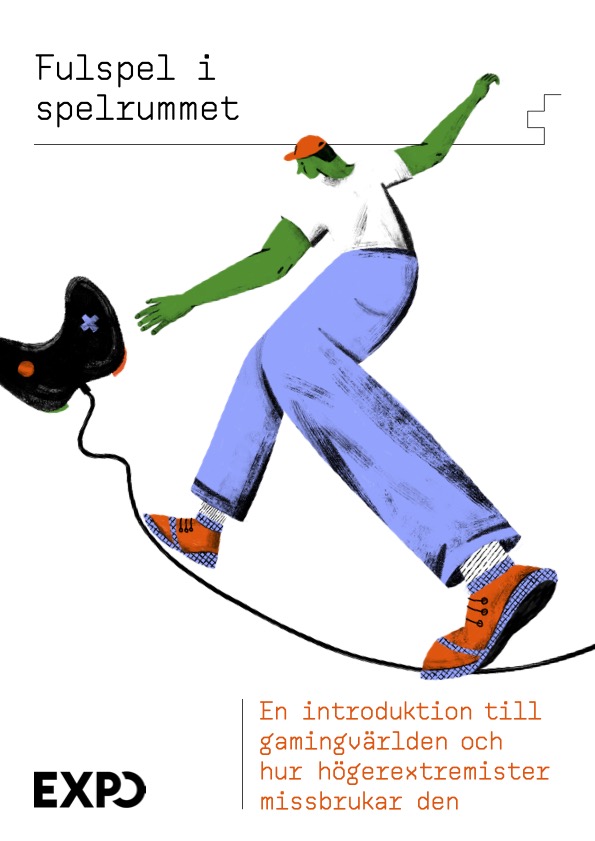
Fulspel i spelrummet – En introduktion till gamingvärlden och hur högerextremister missbrukar den
Datorspel är en social hobby som lockar över 3 miljarder människor globalt. De är en betydande ekonomisk kraft och ger många glädje och inspiration i vardagen. Men gamingmiljön bjuder också in till missbruk där högerextrema kan sprida sitt budskap med få filter och kontroller bland barn och unga.

Foul Play in the Gaming Space
Video games are a social hobby that attracts over 3 billion people globally. They bring joy and inspiration to many in their daily lives. Video games are also a significant economic force, both in Sweden and on a global scale. However, the gaming space is also susceptible to abuse from far-right extremists who can spread their message with few filters or constraints, to children and adolescents.
Foul Play in the Gaming Space
Video games are a social hobby that attracts over 3 billion people globally. They bring joy and inspiration to many in their daily lives. Video games are also a significant economic force, both in Sweden and on a global scale. However, the gaming space is also susceptible to abuse from far-right extremists who can spread their message with few filters or constraints, to children and adolescents.

764 När inga liv räknas
SAMMANFATTNING. Vad händer när en ny generation extremister förenar sadism, och en antisocial kultur med högerextrem accelerationism? Rapporten När inga liv räknas analyserar 764-miljön och dess undergrupp No Lives Matter (NLM) – en framväxande hybridmiljö.
Senaste nytt
Den ensamme hämnaren
Problematiskt mansideal tar sig rätt att döda.
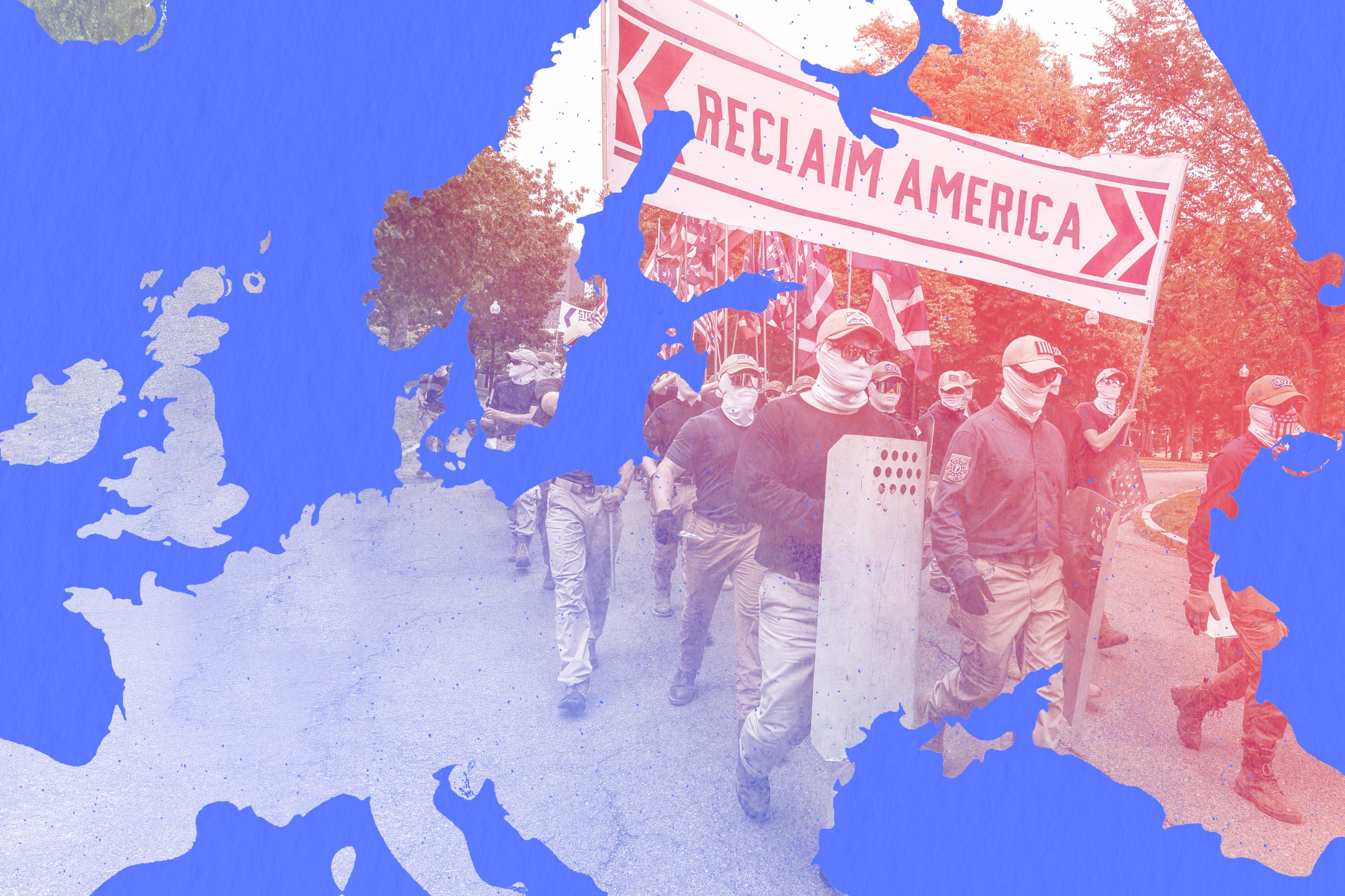
Nyfascister på studiebesök i Europa
Inspireras av bland andra Aktivklubb Sverige.

En sann röst för frihet
Sojourner Truth föddes ofri men hennes buskap sprids fritt än idag.
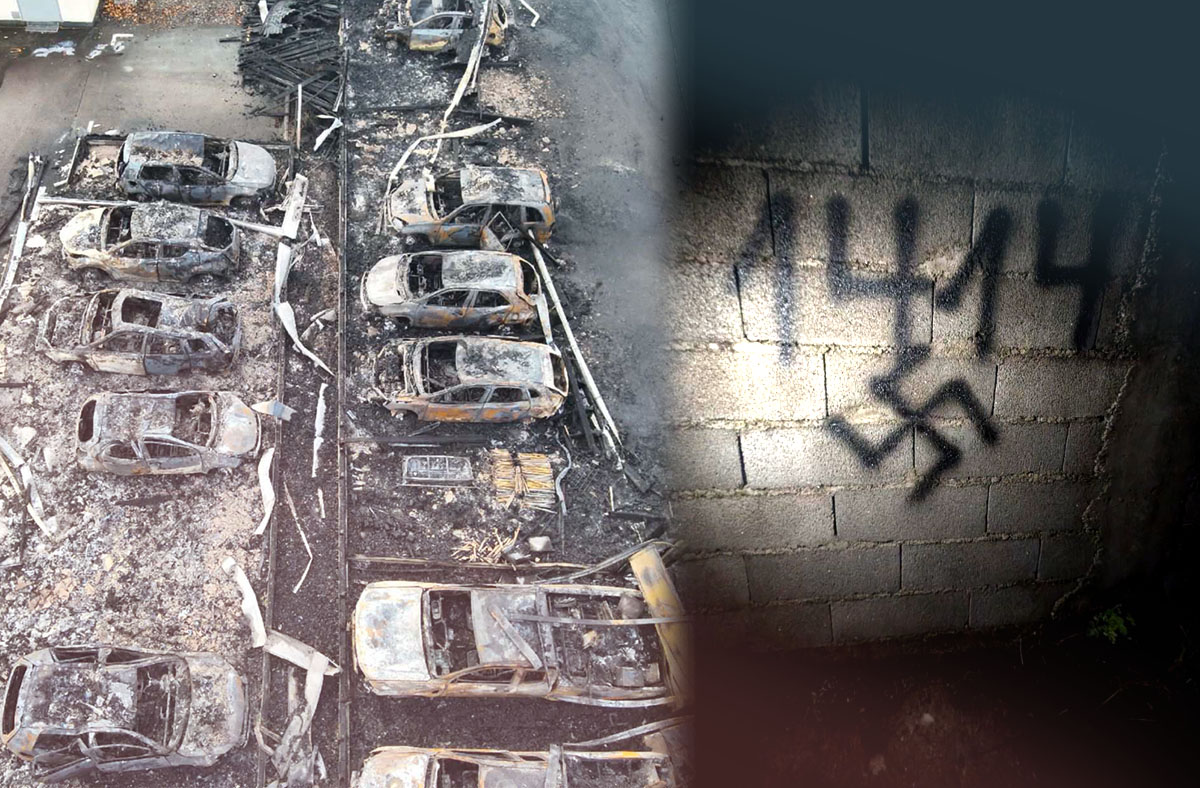
”Vapenbröder”: Högerextrema accelerationister döms i separata mål
Skryter om hur de ”tillsammans sprider terror”.

Följ oss
Följ oss på sociala medier för att ta del av mer nyheter och undersökningar
Stöd oss

Som månadsgivare till Expo ger du en fast summa varje månad via autogiro eller kortbetalning. Du bidrar till vårt arbete och får ett exklusivt nyhetsbrev där vi berättar det senaste från vår verksamhet.

